Latin American cooking is not one cuisine but a set of regional kitchens that share ingredients and techniques — corn, beans, chiles, nixtamalization, the comal, the molcajete — and diverge sharply in how they use them. The practical consequence for a cook in the United States: almost every decision you make is a substitution decision. You are choosing between dried and ground chiles, between masa harina and fresh masa, between a banana leaf and a corn husk, between freezing your own fish and buying it already treated. Each substitution has a cost in flavor, texture, or safety, and the goal is to know which ones matter and which ones you can absorb without noticing.
Corn is the spine, and how you buy it determines everything downstream
Nixtamalization — simmering dried corn in an alkaline solution of water and calcium hydroxide, then rinsing it — is the technique that makes corn nutritionally usable and gives it the flavor that defines tortillas, tamales, and arepas. Dried field corn treated this way becomes nixtamal, which is ground into masa. If you are not doing that at home, you are buying one of two things: fresh masa from a tortilleria, or masa harina, a dried, finely ground flour made from nixtamalized corn that you rehydrate with water or broth.
Fresh masa is the better product and the more perishable one. It has a sweetness and a coarse, tacky feel that masa harina cannot reproduce, and it is the correct choice for tamales you plan to serve the same day. Its cost is logistics: it sours within a few days refrigerated, so you buy it when you are ready to cook, not when you are ready to plan. Masa harina keeps for months in a sealed bag in the freezer and is what most home cooks should build their habit around. Rehydrate it with warm water or broth and beat it thoroughly — the failure mode here is under-mixing, which gives you a masa that cracks at the edges of a tortilla and a tamale that tastes of raw flour. You notice it when the dough tears instead of stretching.
Arepas sit on a slightly different track. They are round, thick cornmeal cakes, typically made from pre-cooked corn flour rather than nixtamalized masa harina, shaped and cooked on a griddle or baked, then split and filled or topped — the everyday form in Colombian and Venezuelan cooking. The flour is a different product from masa harina and not interchangeable; substituting one for the other produces something that will cook, but the texture will be wrong in a way that is hard to fix after the fact. Buy the flour labeled for arepas and keep both in the pantry.
The trade-off with all corn doughs is time. Masa harina saves you the nixtamalization step entirely, which is hours of simmering and soaking. What it costs you is the fresh-corn sweetness that makes a good tortilla worth eating plain. That is a fair trade for a weeknight and a bad one for a tamale party.
Chiles: dried is the default, fresh is the exception
For sauces, moles, and adobos, dried chiles carry more of the flavor you are after than fresh ones, and the reason is straightforward: drying concentrates the sugars and oils, and toasting the dried pod in a dry pan before soaking blooms those oils into the room. The chiles that matter most — ancho, guajillo, pasilla, chipotle — are sold dried in bags, and the quality difference between a bag from a busy Latin market and a dusty one from a supermarket shelf is enormous. Look for pods that are pliable rather than brittle, and smell them. A dried chile with no aroma will not develop one in the pan.
Toasting is where most cooks go wrong. A dry comal or skillet over medium heat, pressed flat for seconds per side, until the pod smells nutty and puffs slightly — that is the window. Cross it and the chile turns bitter, and bitterness is not something you can soak out afterward. If you scorch a batch, throw it out; the whole sauce will taste of it. Soak the toasted pods in hot water until soft, then blend with the soaking liquid or broth. Do not discard the soaking water without tasting it first — it carries a lot of the flavor.
Fresh chiles are for salsas, rajas, and anything you want to keep crisp and green. The honest limitation: fresh chile heat is volatile and unpredictable even within the same variety, so a salsa made by count rather than by taste will vary from week to week. Taste as you blend, and keep a milder chile on hand to dilute with. For anyone who wants consistency, dried chiles are the more controllable ingredient.
Tamales are a safety question before they are a flavor question
Steamed tamales with a meat or poultry filling need to reach a minimum internal temperature of 165 °F (73.9 °C) regardless of which meat or poultry you used. That is the number that matters, and it overrides everything else you might read about timing. A tamale is masa spread on a corn husk or banana leaf, filled — often with seasoned meat, poultry, cheese, or vegetables — wrapped, and steamed until the masa is firm; firm masa and a safe filling are two different tests, and you need both.
The filling temperatures you are working from are these. Whole cuts of meat used in a tamale filling need 145 °F (62.8 °C). Ground meat needs 160 °F (71.1 °C). Poultry, whole or ground, needs 165 °F (73.9 °C). Cook the filling to those numbers before it goes into the masa, then bring the assembled tamale to 165 °F (73.9 °C) during steaming. The practical reason to cook filling first is not just safety — a raw filling releases liquid into the masa and gives you a soggy tamale that will not set.
The mechanics of the steam matter as much as the temperature. Stand the tamales upright, open end up, in a pot with a steamer basket and water below the level of the tamales. A banana leaf wrap holds more moisture and gives a softer, more yielding masa; a corn husk dries more and gives a firmer one. Both work. The failure you will actually encounter is a pot that boils dry — check the water level periodically and add hot, not cold, water so you do not stall the steam. You know a tamale is done when the masa pulls cleanly away from the husk or leaf without sticking.
The cost of doing this right is that tamales are a project, not a dinner. They are made in quantity, by several people, over an afternoon, and that is not a defect of the recipe — it is the recipe. Making a small batch alone is possible and rarely worth it. The trade-off is real, and the usual answer is to make far more than you need and freeze the rest.
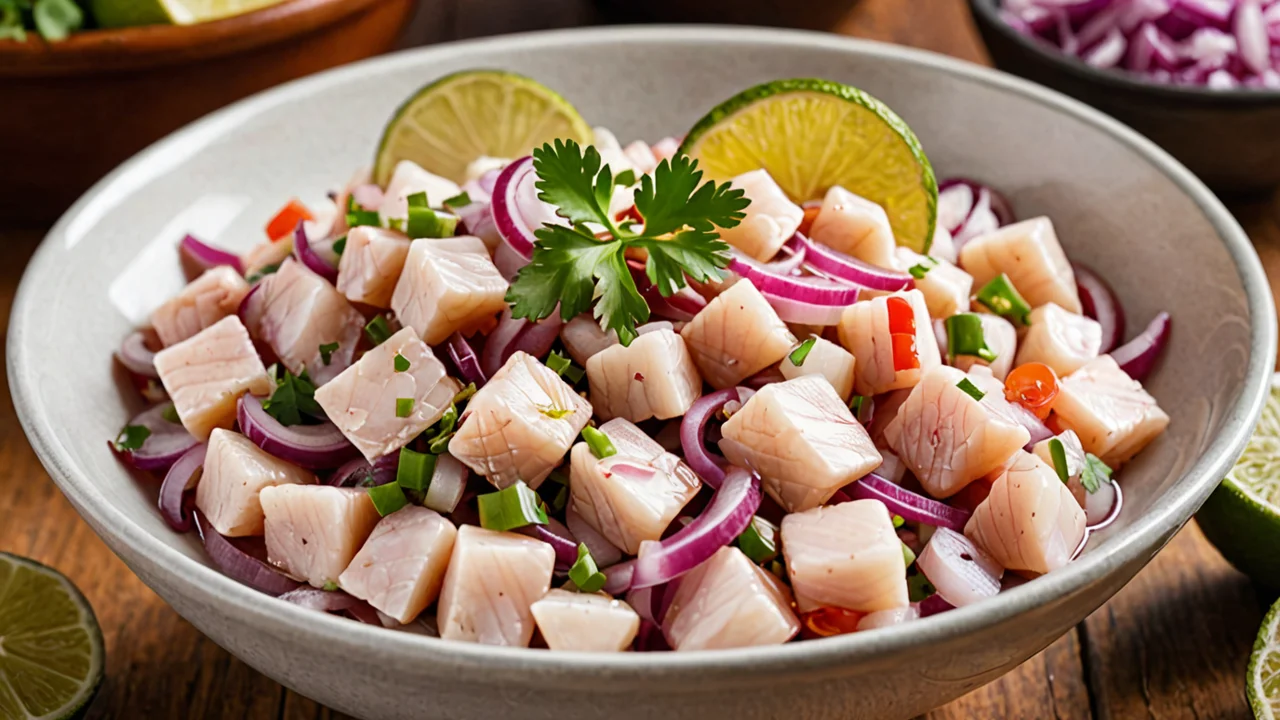
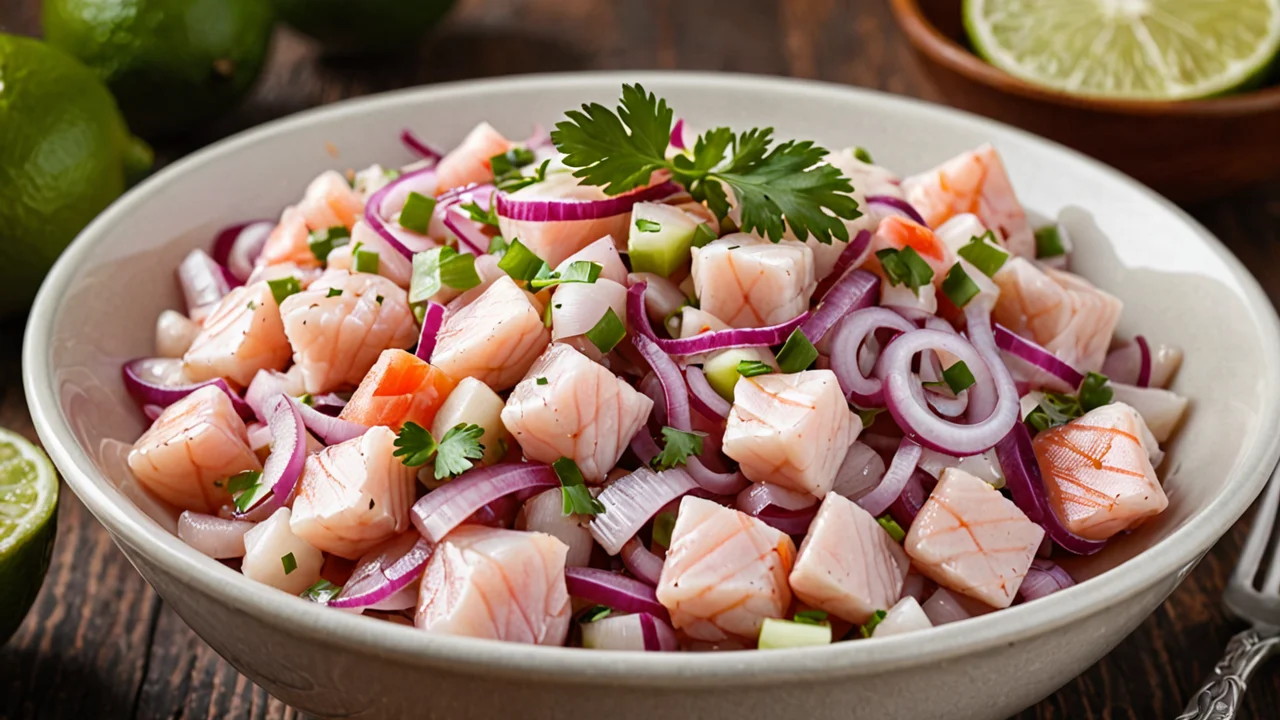
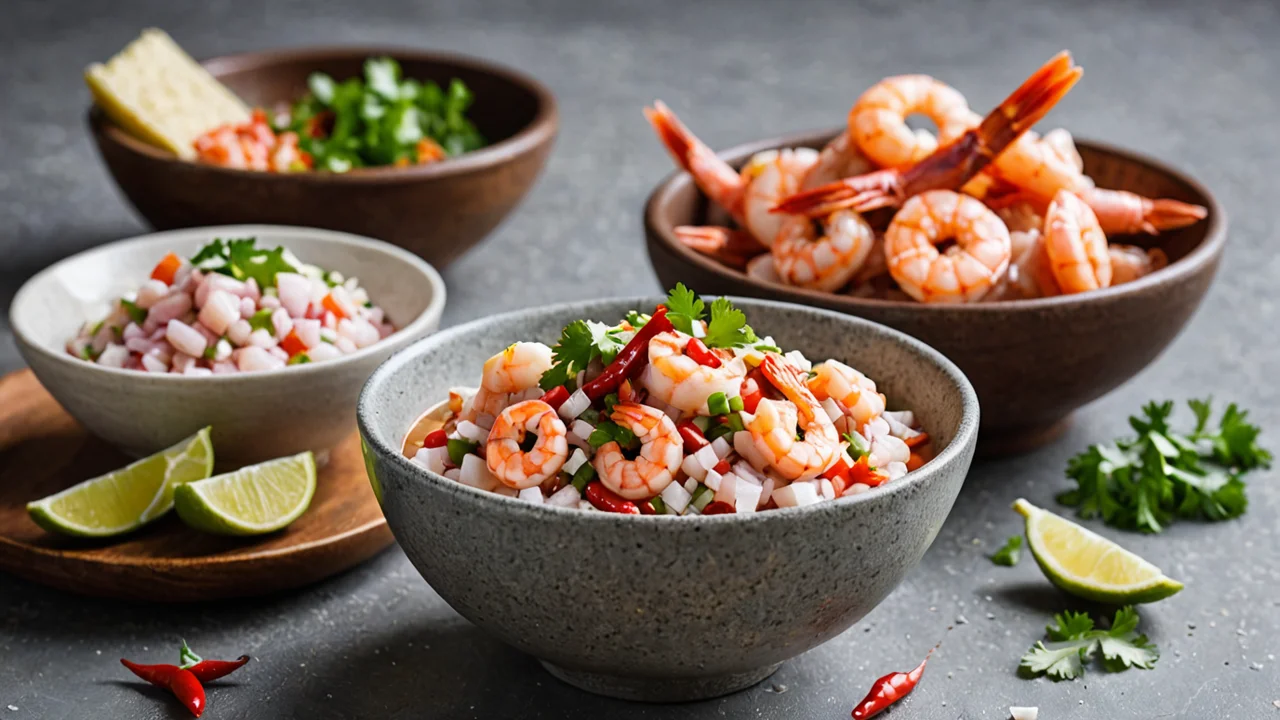
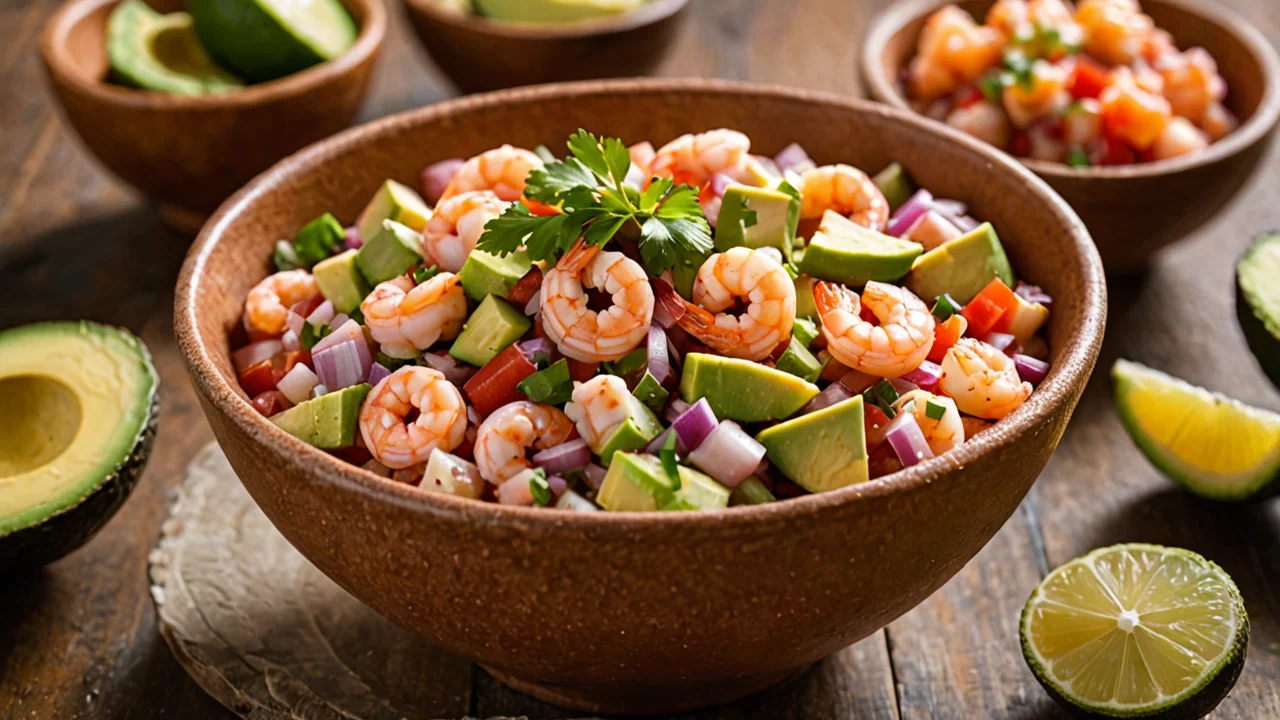
Ceviche depends on fish you have already made safe
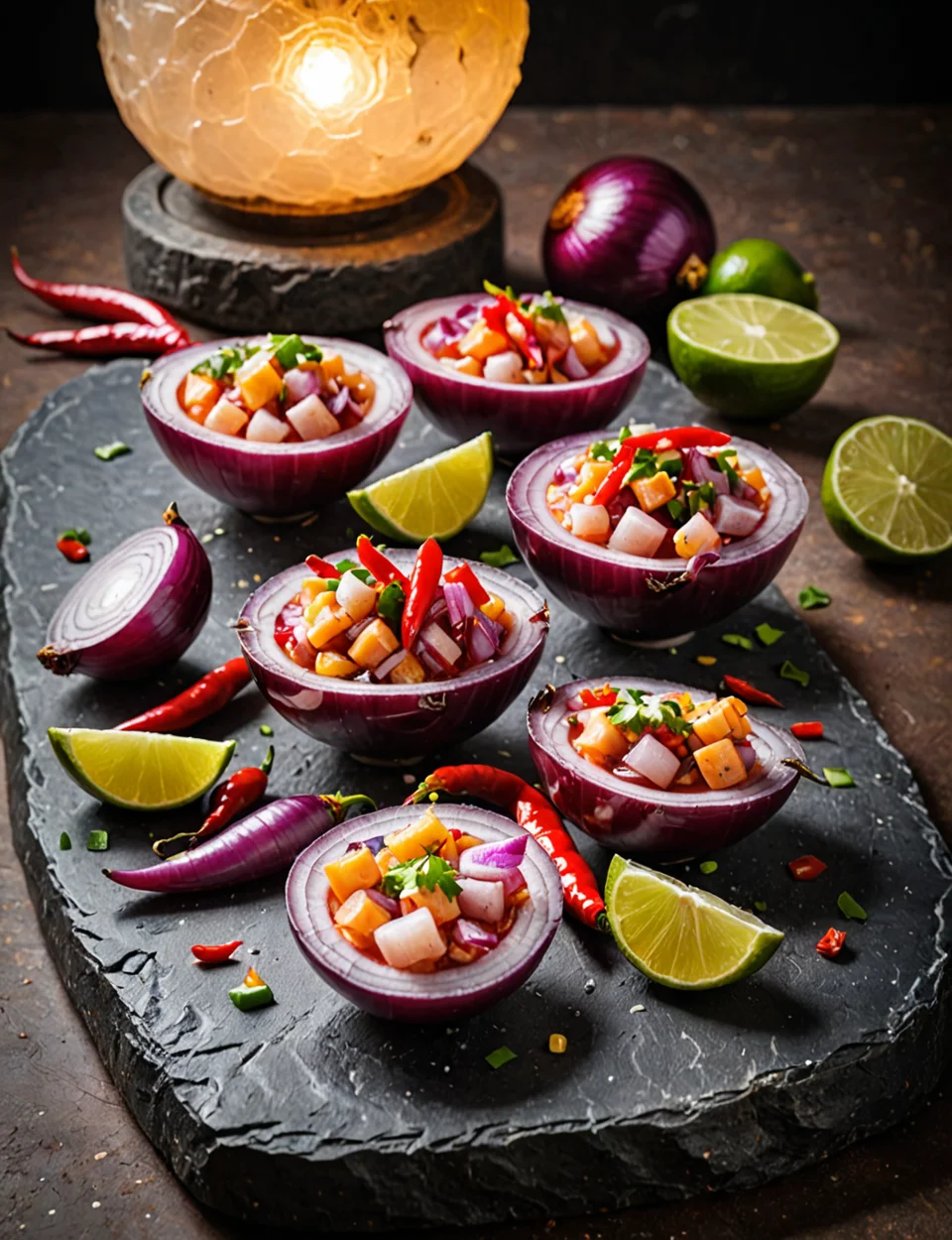
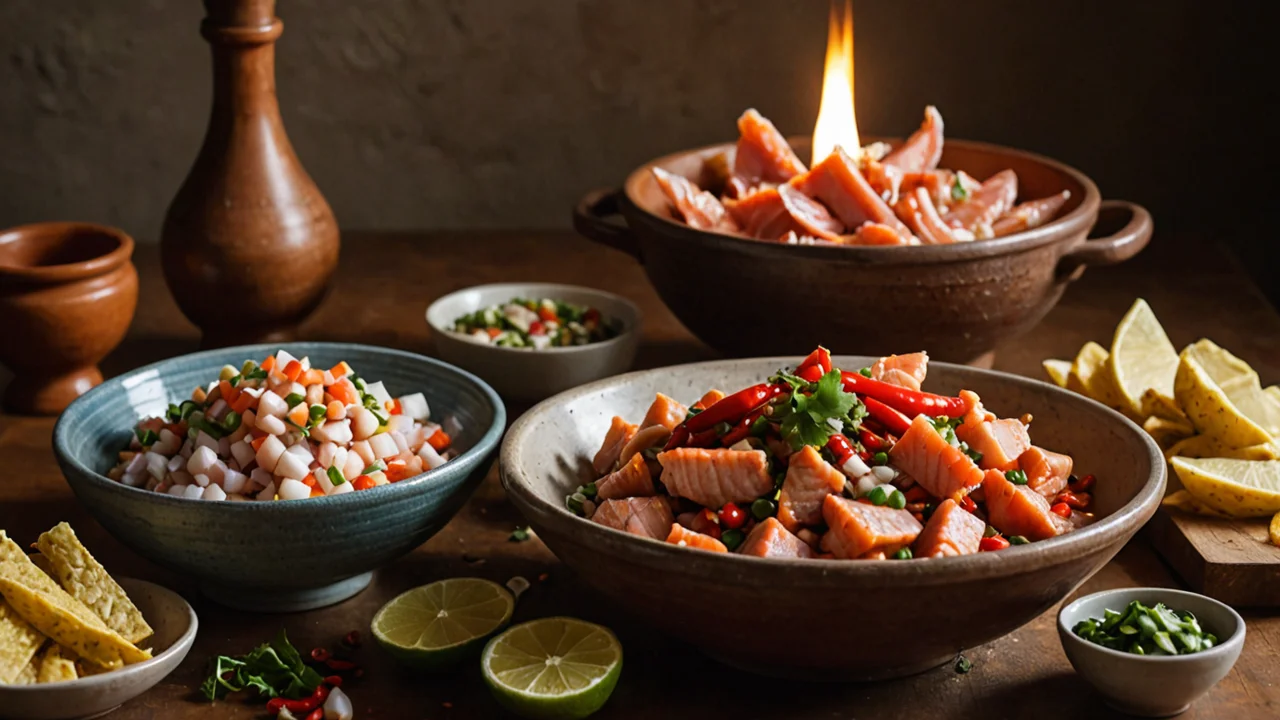
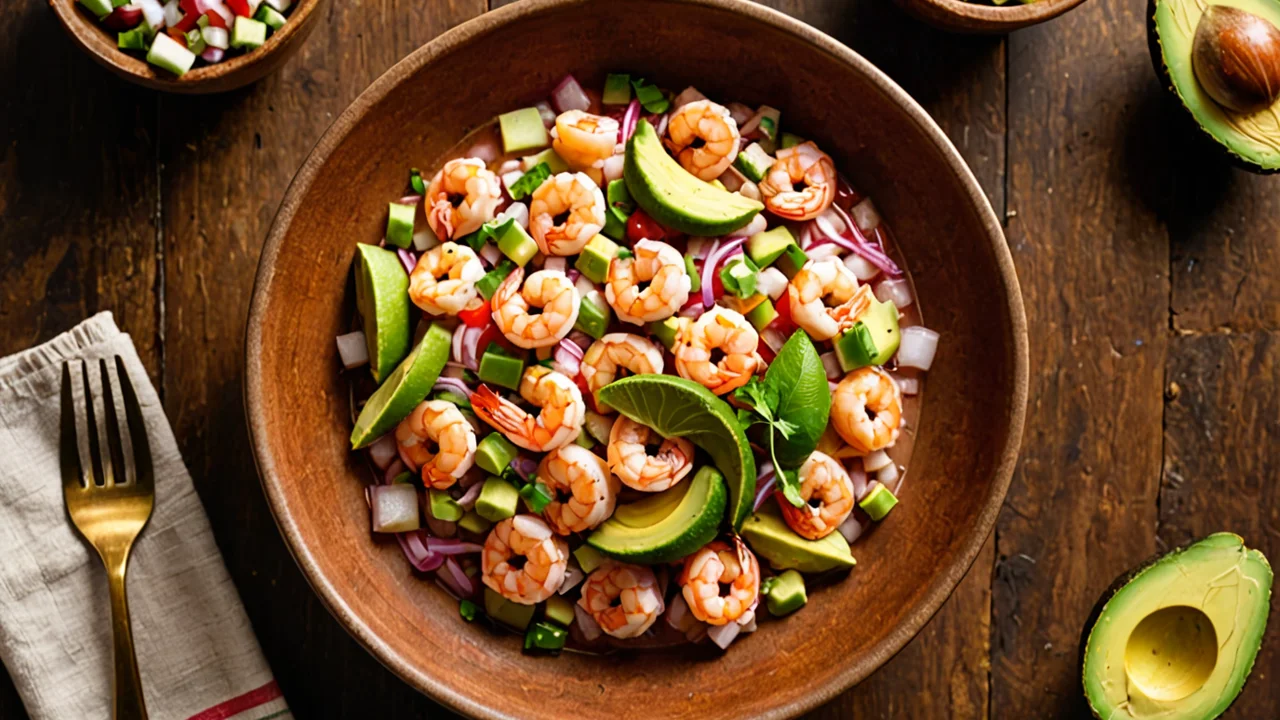
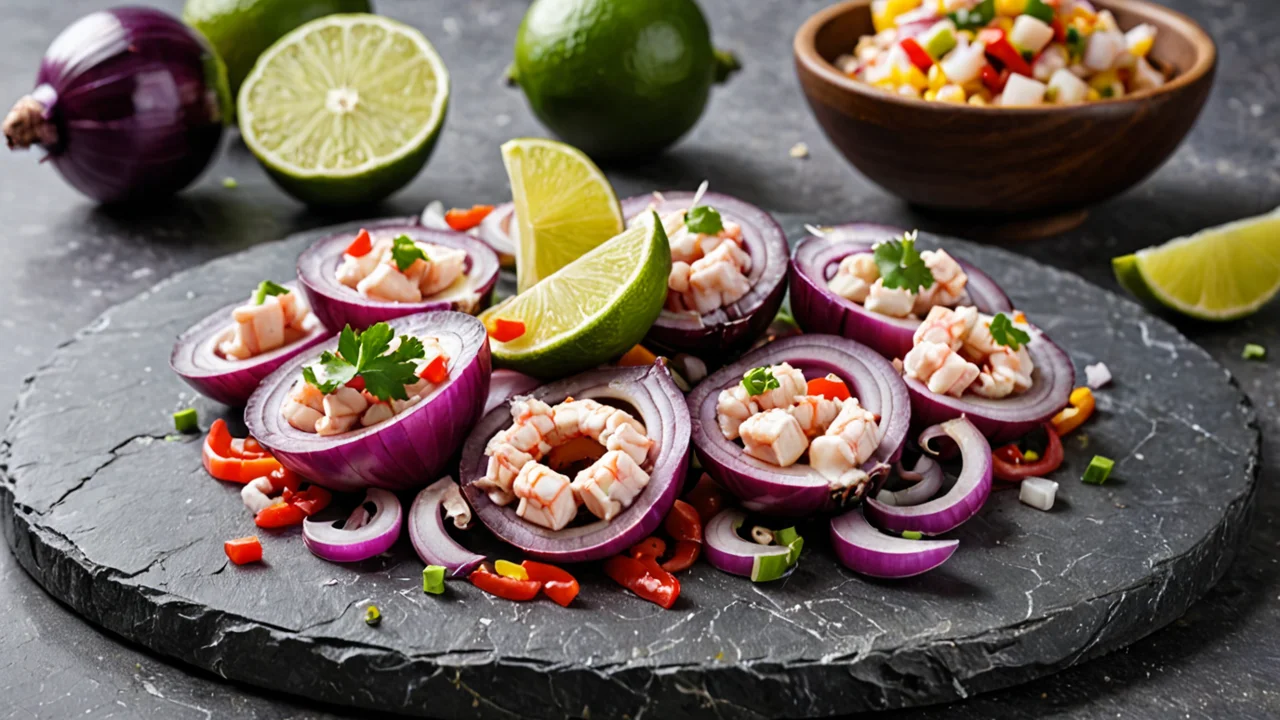
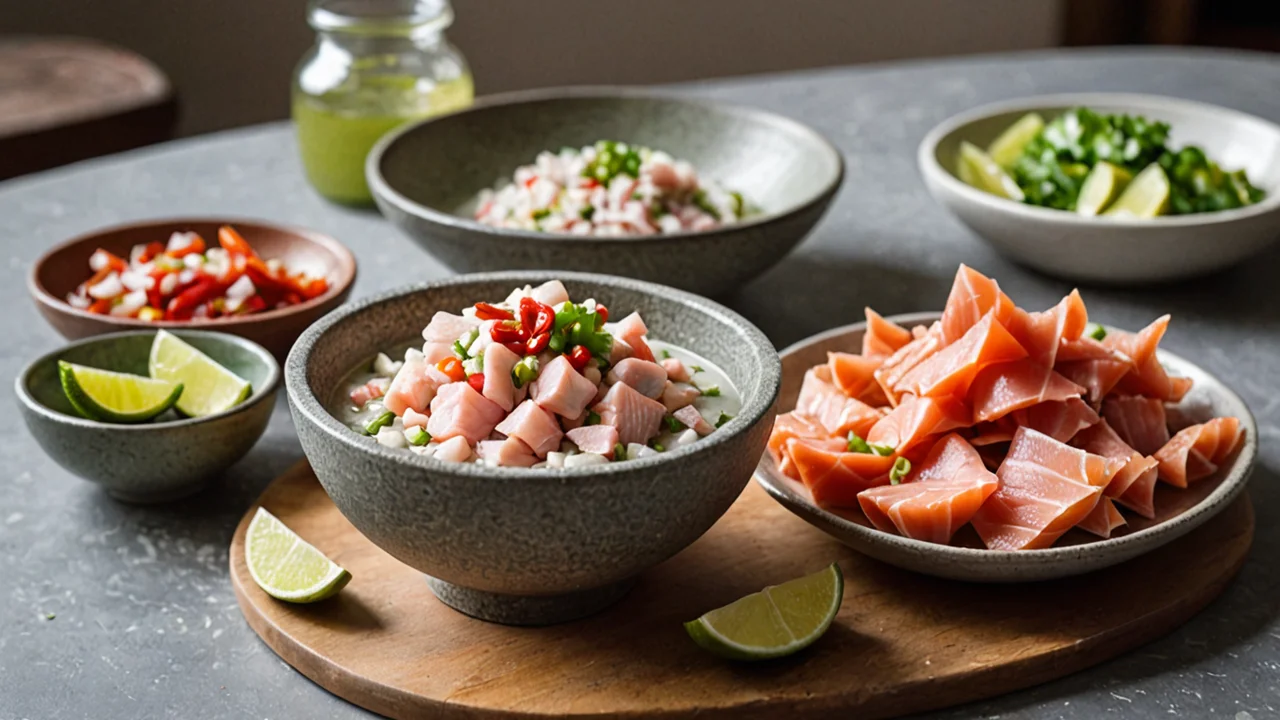
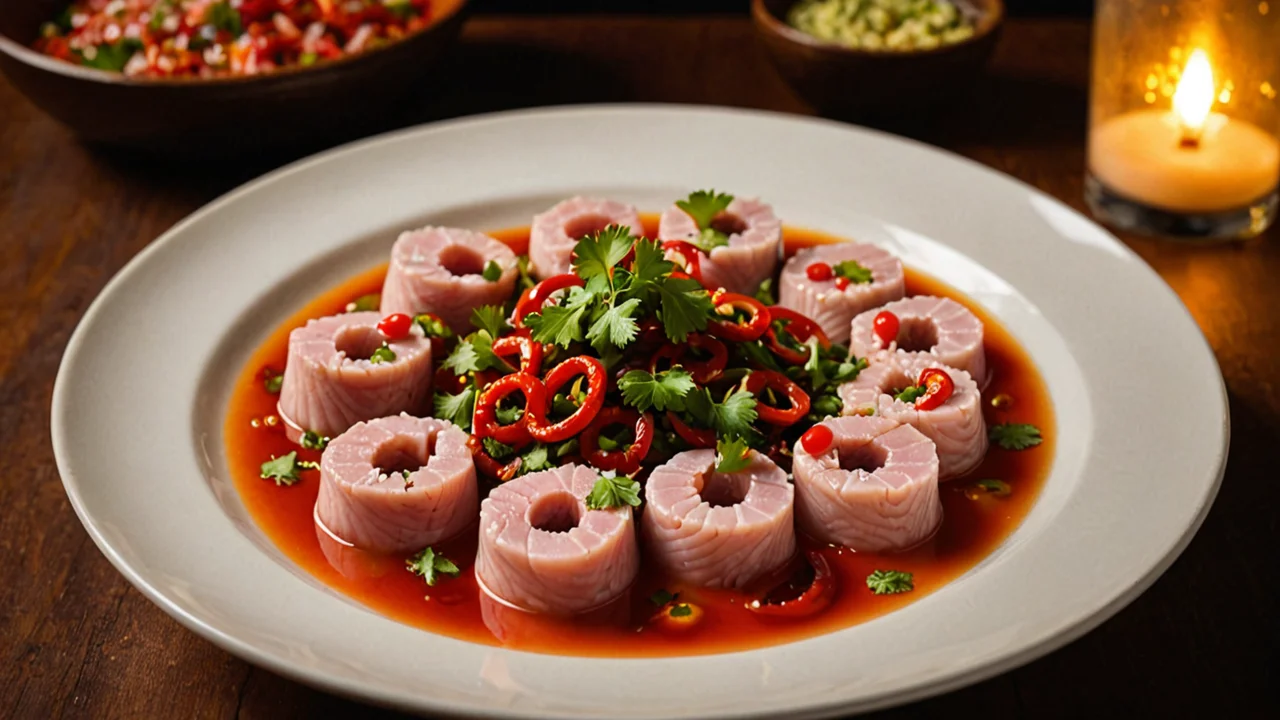
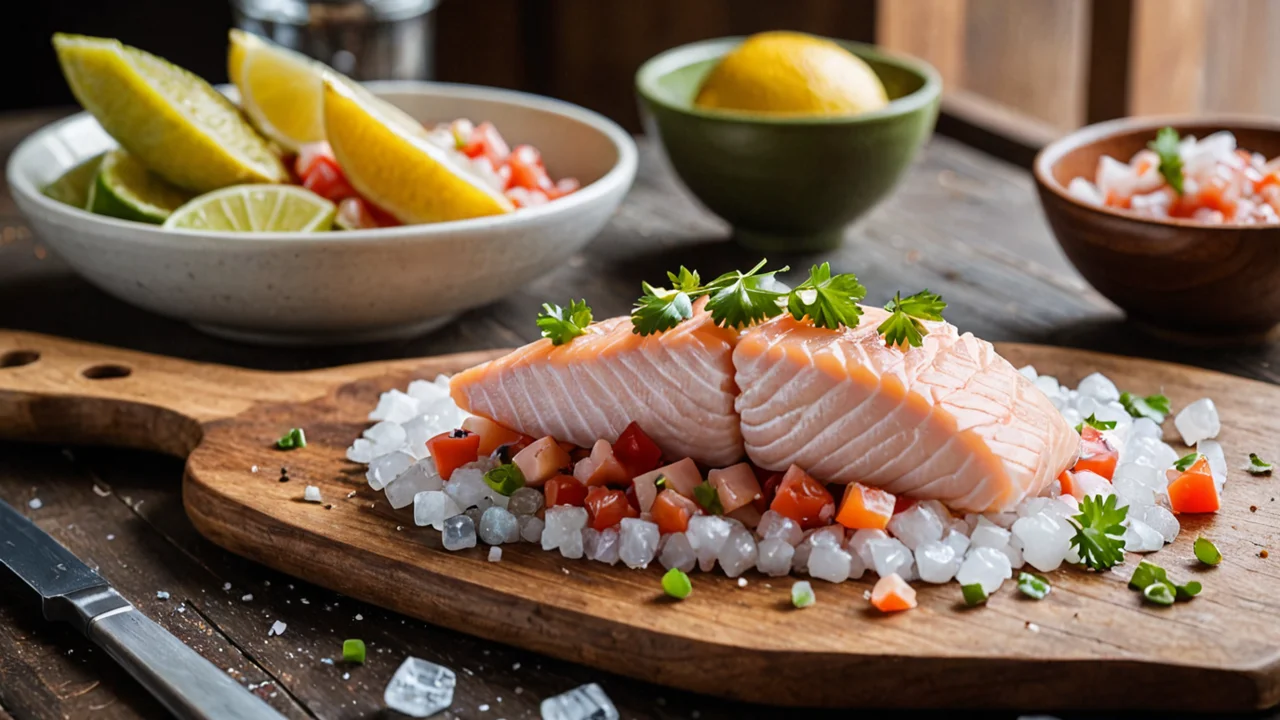
Raw fish for ceviche needs to be frozen first, to a specific schedule, to destroy parasites. Freeze at -4 °F (-20 °C) or below for at least 7 days (168 hours); or at -31 °F (-35 °C) until solid and then hold at -31 °F (-35 °C) for at least 15 hours; or freeze at -31 °F (-35 °C) until solid and hold at -4 °F (-20 °C) for at least 24 hours. A home freezer typically runs nowhere near -31 °F, so in practice you are looking at the seven-day option or buying fish that has already been treated.
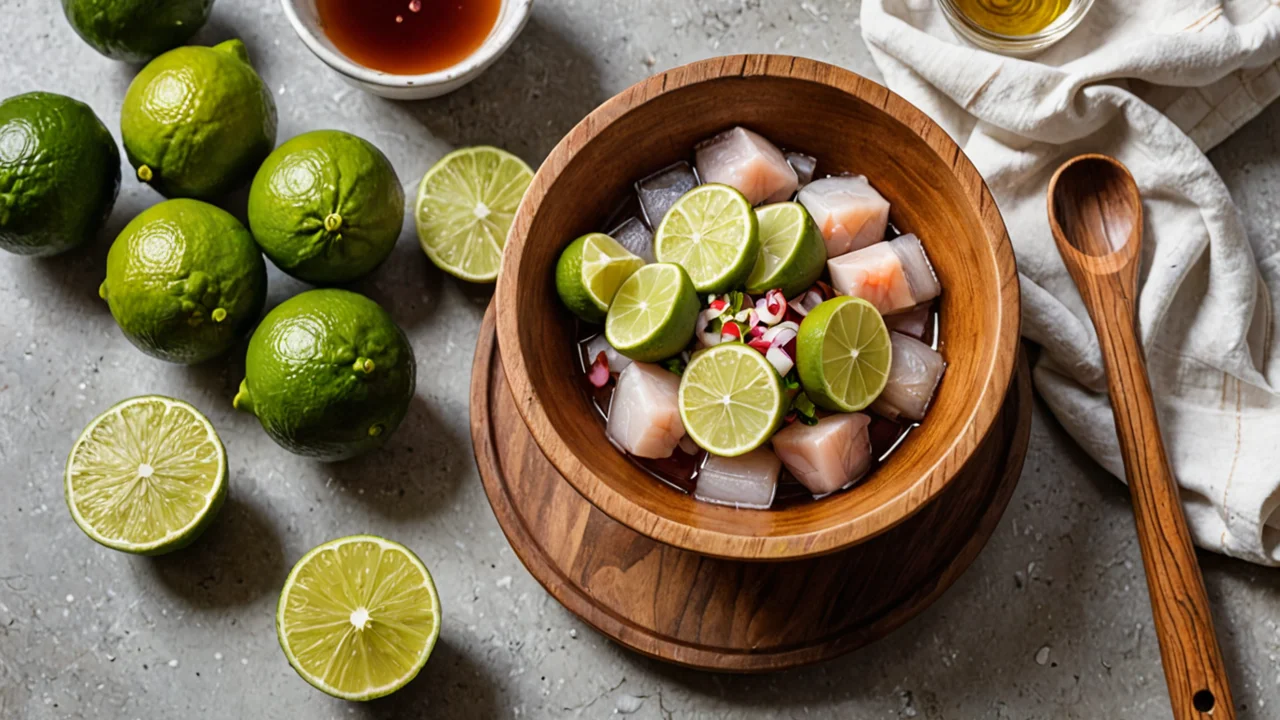
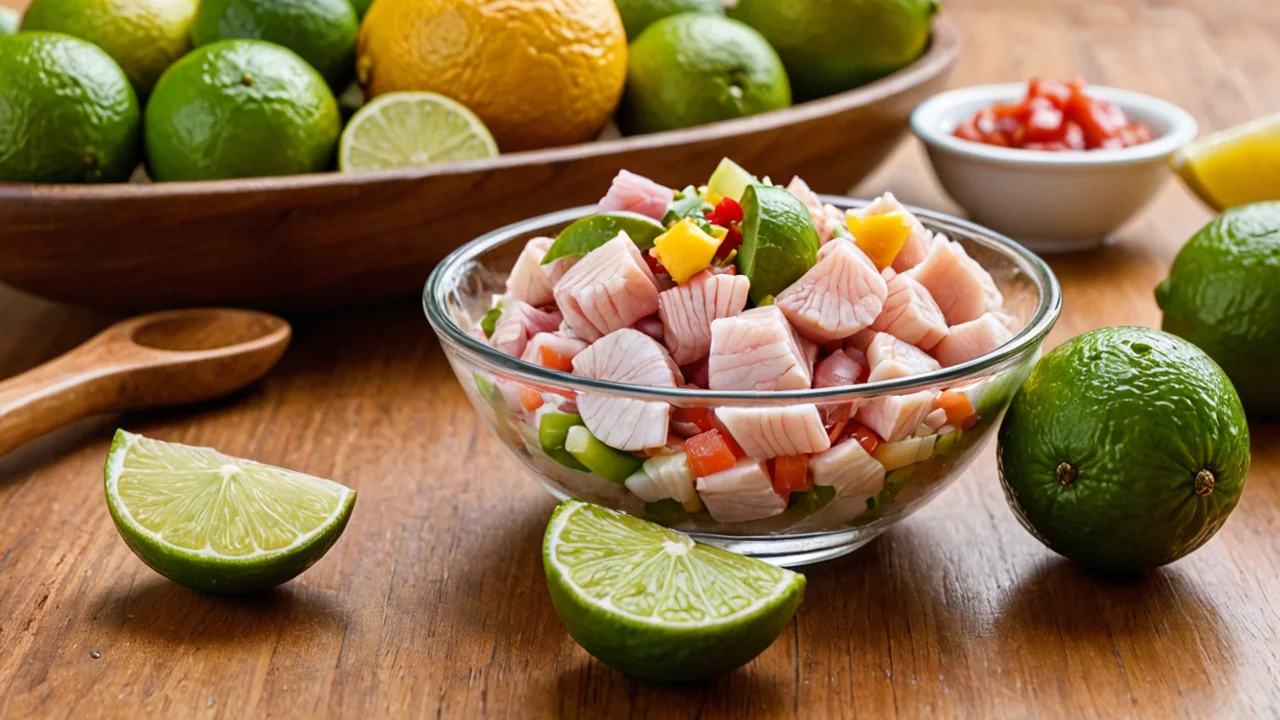
This is the single most important thing to understand about ceviche: the acid does not cook the fish in any sense that matters for parasites. Lime juice denatures protein and changes texture — it firms the outside and turns the flesh opaque — but it is not a kill step. Anyone who tells you the fish is "cooked" by the citrus is describing a texture, not a safety outcome. If you are not prepared to hold fish at -4 °F (-20 °C) or below for 168 hours, buy fish sold as previously frozen for raw consumption and ask.
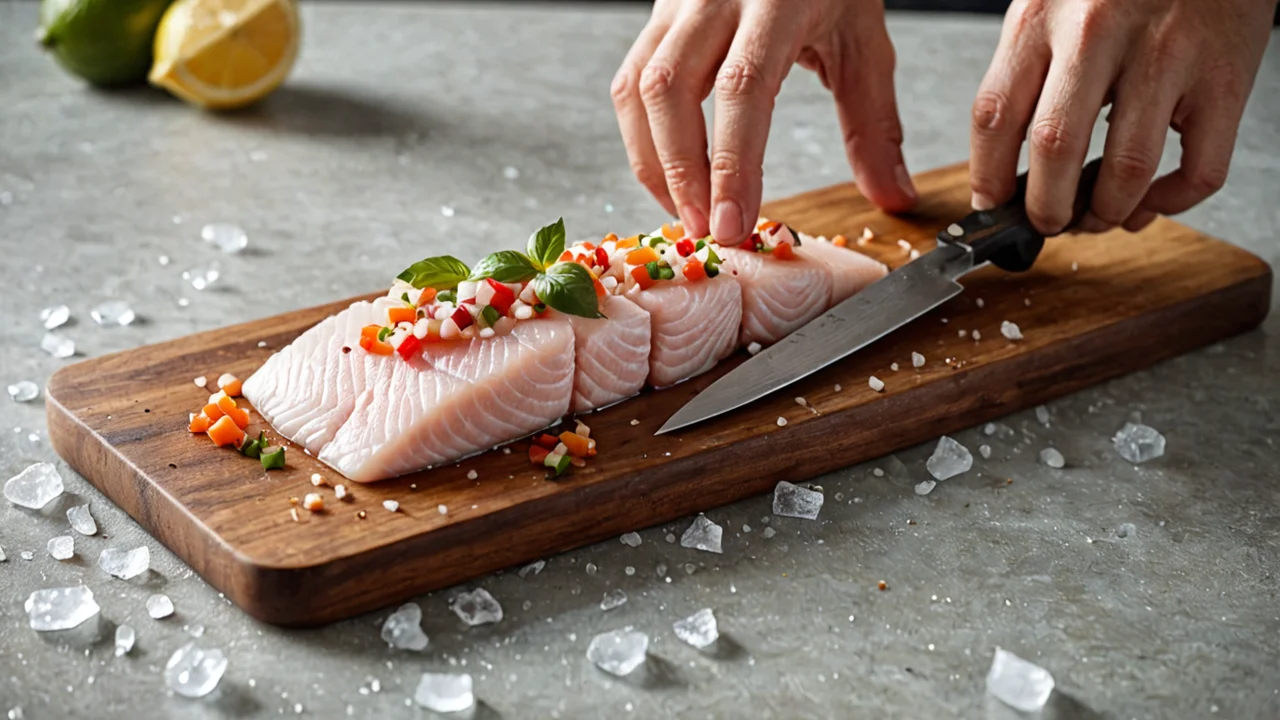
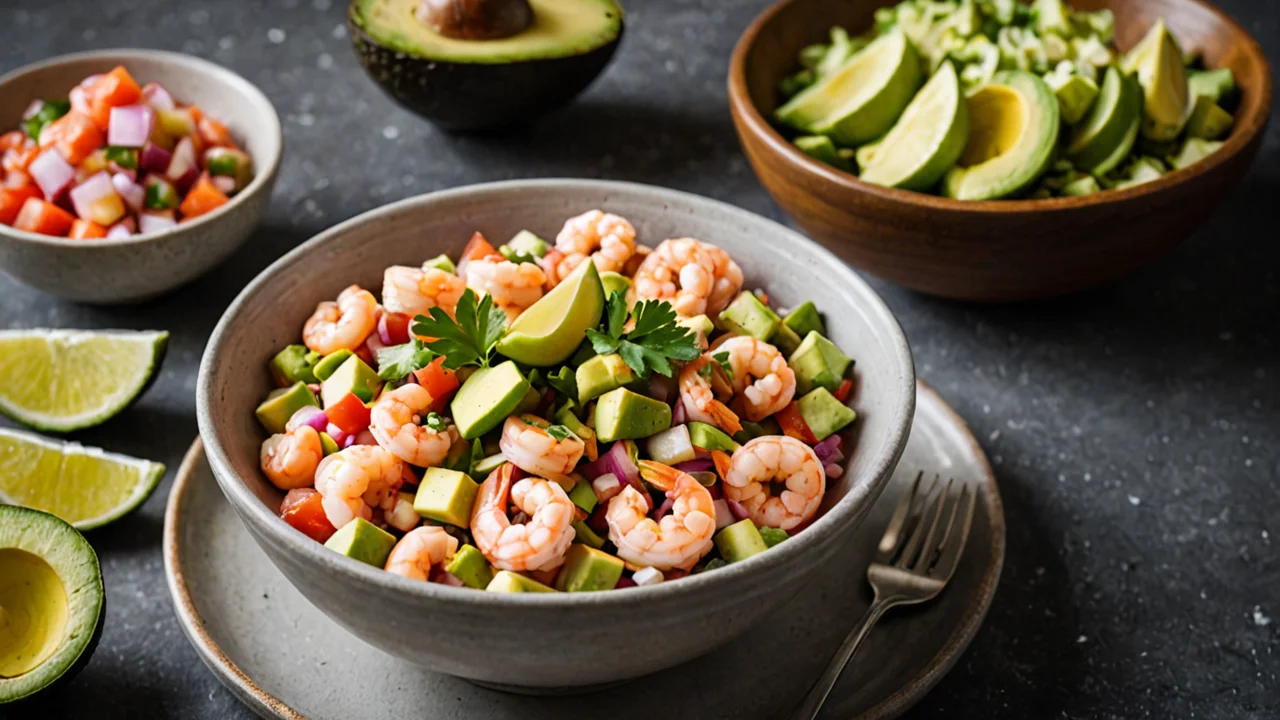
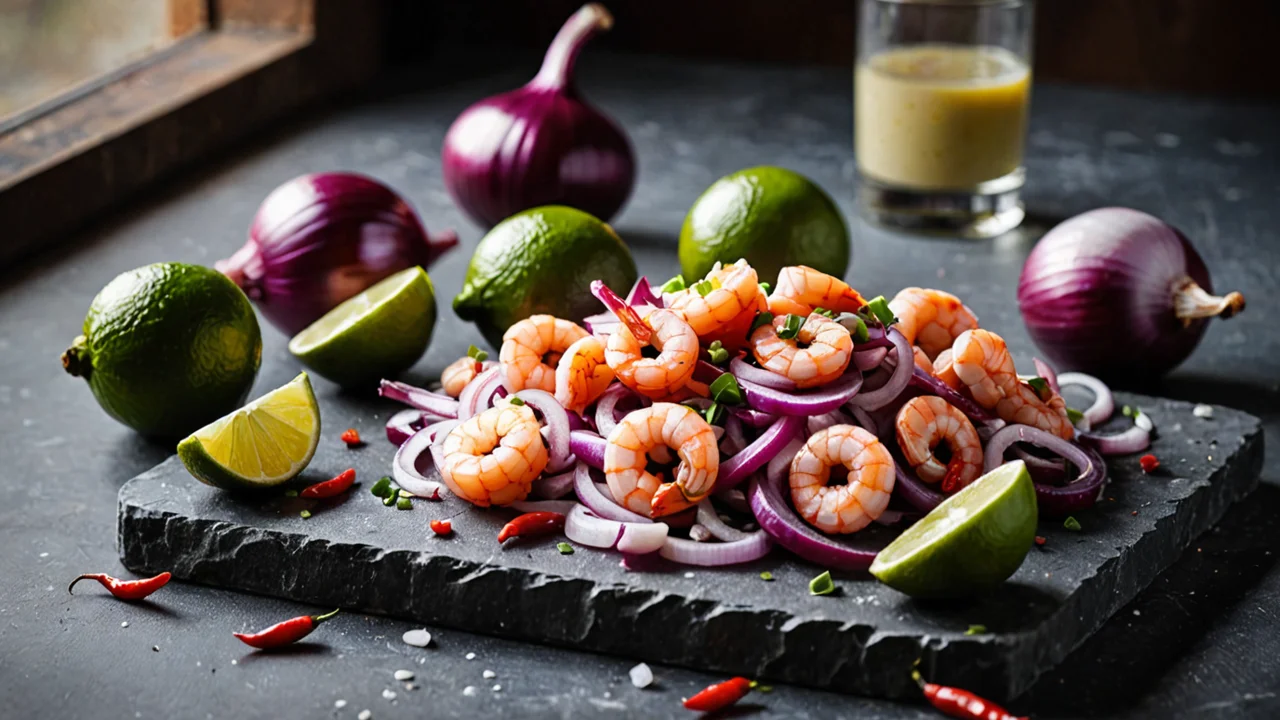
Beyond safety, ceviche is a freshness and cut problem. Firm white-fleshed fish holds up; soft or oily fish turns to paste in the acid. Cut into even pieces so the cure is uniform, keep the fish cold while you work, and add the citrus close to serving — a ceviche that sits too long goes from firm to chalky. The cost of doing it properly is a week of freezer space and a freezer that actually holds temperature, which is a bigger ask than most recipes admit.
The equipment list is short and the substitutions are where money goes
You can cook most of this repertoire with a comal or a heavy dry skillet, a blender, a large pot with a steamer insert, and a good cutting board. A molcajete — the volcanic-stone mortar — makes a coarser, more textured salsa than a blender and is worth having if you make salsa often; it is also heavy, expensive, and annoying to clean. A blender with a tamper handles chile pastes and masa better than a food processor, which will not puree a fibrous chile skin cleanly.
The money question is ingredients, not tools. Dried chiles, good masa harina, achiote, Mexican oregano, and good-quality corn are where the budget should go, and they are all cheaper by weight at a Latin market than in small supermarket packets. The trade-off of buying in quantity is storage and spoilage: dried chiles lose their aroma within months, so buy what you will use in a season rather than stocking a pantry you never touch. A bag of chiles that has sat for two years will taste like paper no matter how carefully you toast it.
What you should not spend money on: specialty single-origin anything before you have learned what the ordinary version tastes like. Learn the toast on a supermarket guajillo first. The upgrade only reads as an upgrade once you have a baseline.
How the regional kitchens actually differ, and why it changes your shopping
Mexican cooking is the deepest tradition in this repertoire for most U.S. cooks and the one with the most widely available ingredients: nixtamalized corn, the ancho-guajillo-pasilla triad, lard, fresh cheeses. Its defining technique is the sauce built from toasted dried chiles, and its defining constraint is that the good versions are slow. If you learn one thing well, learn to toast and blend a chile sauce, because it unlocks moles, adobos, and braises across the whole cuisine.
Colombian and Venezuelan cooking leans on the arepa as the daily bread rather than the tortilla, which means pre-cooked corn flour rather than masa harina, and a griddle rather than a press. The filling tradition is different too — shredded meat, cheese, beans — and the arepa is split and stuffed rather than folded around a filling. Peruvian cooking is organized around the cold larder and the chile pastes (aji amarillo, ají panca), which are usually bought as a paste rather than made from dried pods, and around ceviche, which puts the freezing question at the center of the cuisine rather than at its edge. Caribbean and Central American kitchens vary enormously, but banana-leaf wrapping and root vegetables appear more often than corn dough.
The practical upshot: your shopping list should follow the region you are cooking that week, not a generalized "Latin" pantry. Masa harina and arepa flour are different products. Aji amarillo paste is not a substitute for a guajillo. Buying broadly across all of them at once produces a cabinet of half-used bags and no fluency in any single kitchen. Pick one, cook it until the techniques are automatic, then move.
The honest limitation of all of this is that technique travels better than ingredients. A cook in a city with a good Latin market can make a tamale that would pass in Mexico City; a cook without one is working with dried chiles of unknown age and masa harina of unknown freshness, and the results will be good but not the same. That is not a reason to skip it. It is a reason to taste as you go, to buy the smallest quantity that gets you through a recipe, and to treat every substitution as a question about what you are willing to lose.