Protein in Latin American cooking is mostly a question of which cut you bought and how far you take it, because doneness targets differ by form: whole cuts of meat are safe at 145 °F (62.8 °C), ground meat at 160 °F (71.1 °C), poultry at 165 °F (73.9 °C) whether whole or ground, and steamed tamales with meat or poultry filling at 165 °F (73.9 °C) regardless of which meat you used. Those four numbers settle most of the decisions below. The rest is about structure — how the protein sits inside masa, broth, or citrus — and about the few cases where the government target and the good version of the dish pull in different directions.
Tamales: the filling is already cooked, but the tamal still has to hit 165 °F
A tamal is safe when the center of the whole wrapped package reaches 165 °F (73.9 °C), not when the filling was cooked through before assembly. That is the number to cook to for any tamal with meat or poultry inside, and it does not change with the species. A pork tamal, a chicken tamal, and a turkey tamal all get the same target.
This catches people because the filling is almost always fully cooked before it goes into the masa — stewed, braised, shredded. It is natural to assume the tamal is done as soon as the masa is firm and the filling is hot. But the masa itself is a dense, wet, insulating layer, and the steam has to drive heat through it to the middle. A tamal pulled when the husk smells right and the dough feels set can still be well under temperature at the core. The only reliable check is a probe thermometer pushed into the center of the filling through the masa, and on a bundle of tamales that means sacrificing one to the probe rather than guessing from the batch.
The rest of the doneness cues are texture, and they are worth learning because they tell you when to start probing. The masa should pull away from the husk cleanly and feel firm rather than spongy, and a tamal that is underdone has a pasty, raw-corn texture at the center that no amount of resting fixes. Steaming a large pot takes a long time, and the failure mode is almost always impatience at the end. Keep the water at a hard simmer, keep the lid on, and check at the point where the masa is set rather than at the point where the kitchen smells good.
The cost of the 165 °F target is that a lean filling can dry out before the masa is fully set, especially with chicken breast. The trade-off is handled before the steamer: braise dark meat, keep a little fat or broth in the filling, and don't shred the meat so fine that it turns to paste. A tamal built from a moist, well-seasoned filling tolerates the extra time; a dry one does not. If you are making a cheese or vegetable tamal, the 165 °F tamal target does not apply the same way — the safety question is the masa and the filling's own ingredients, and the practical cue goes back to texture.
Whole cuts, ground meat, and poultry: three targets, and why the form decides
Buy a pork shoulder for a filling and you are working with a whole cut, safe at 145 °F (62.8 °C). Buy ground pork for the same filling and the target jumps to 160 °F (71.1 °C). Buy chicken either way and it is 165 °F (73.9 °C). The difference is not the animal; it is how much of the meat's interior has been exposed to the outside world.
On a whole muscle, contamination sits on the surface, so a sear or a braise brings the outside well past the target while the interior can stay at 145 °F and be safe. Grinding mixes the surface into the middle, so the whole mass has to reach the higher number. That is the entire logic behind the gap between 145 °F and 160 °F, and it is why you cannot reason from "pork is safe at 145" to a pot of ground pork picadillo. The picadillo is a ground product and needs 160 °F.
Poultry gets its own, higher number in both forms — 165 °F (73.9 °C) for whole or ground — because the margin on poultry is treated differently from red meat. In practice this means a chicken filling for tamales is cooked to 165 °F on its own and then held there through the steaming step, and a ground chicken or turkey filling follows the same rule.
The honest trade-off: 145 °F on a whole cut gives you juicier sliced pork or beef, but the texture at that temperature is sliceable, not shreddable. Most tamal and arepa fillings want meat that pulls apart, and meat that pulls apart has generally been taken well past 145 °F for reasons of texture, not safety. So the lower target matters most when you are cooking a whole piece to slice — a roast, a seared steak for a topping — and matters less when the destination is a braise. Cook the braise for texture; the safety floor is already cleared long before the meat is shreddable.
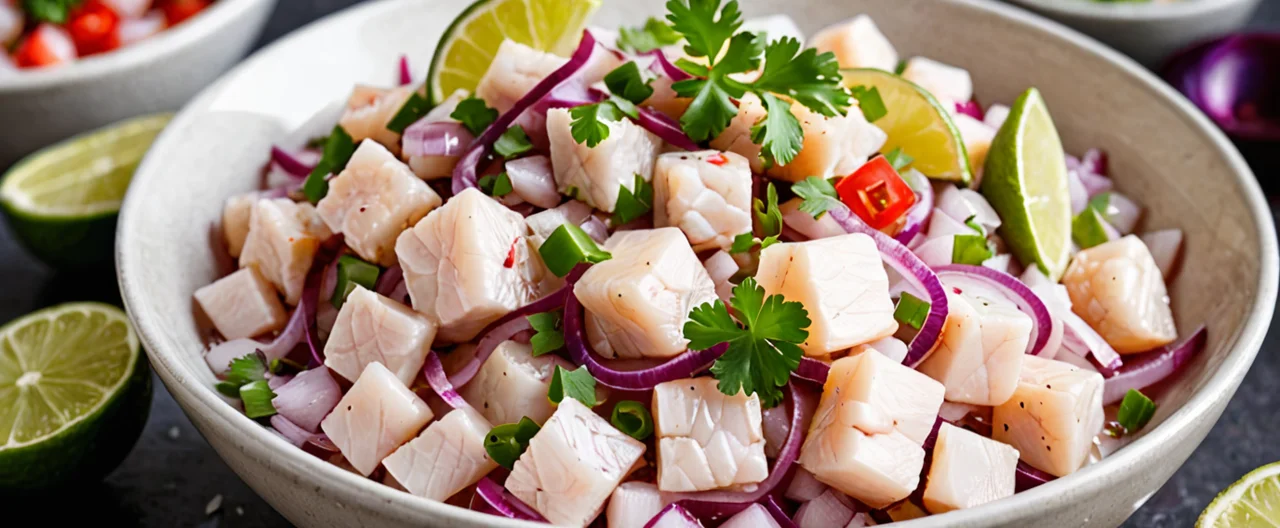
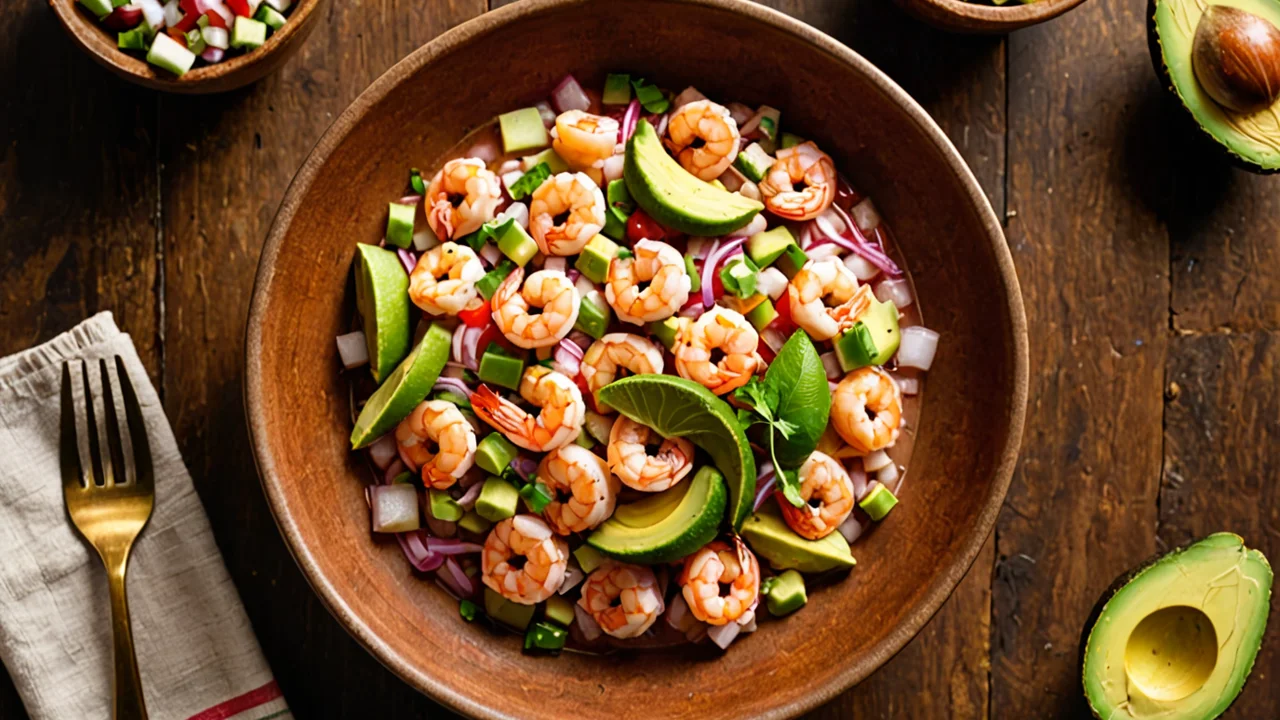
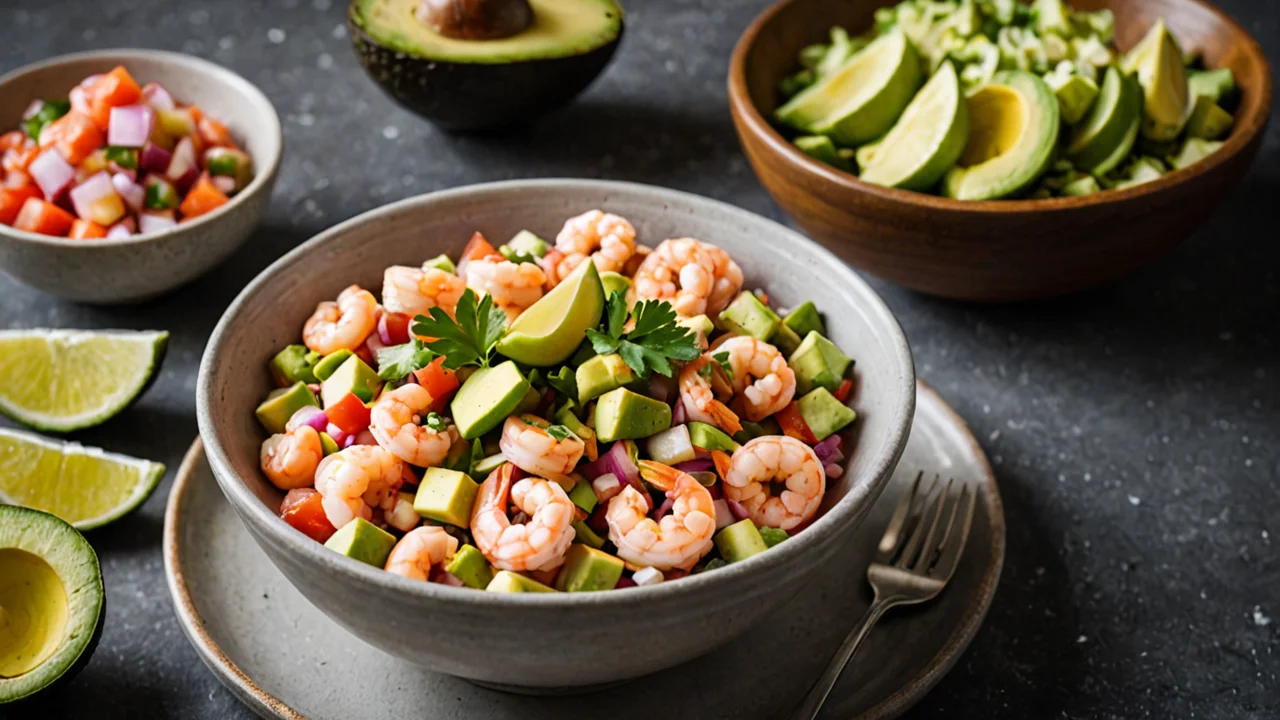
Ceviche: the acid does not make raw fish safe, the freezer does
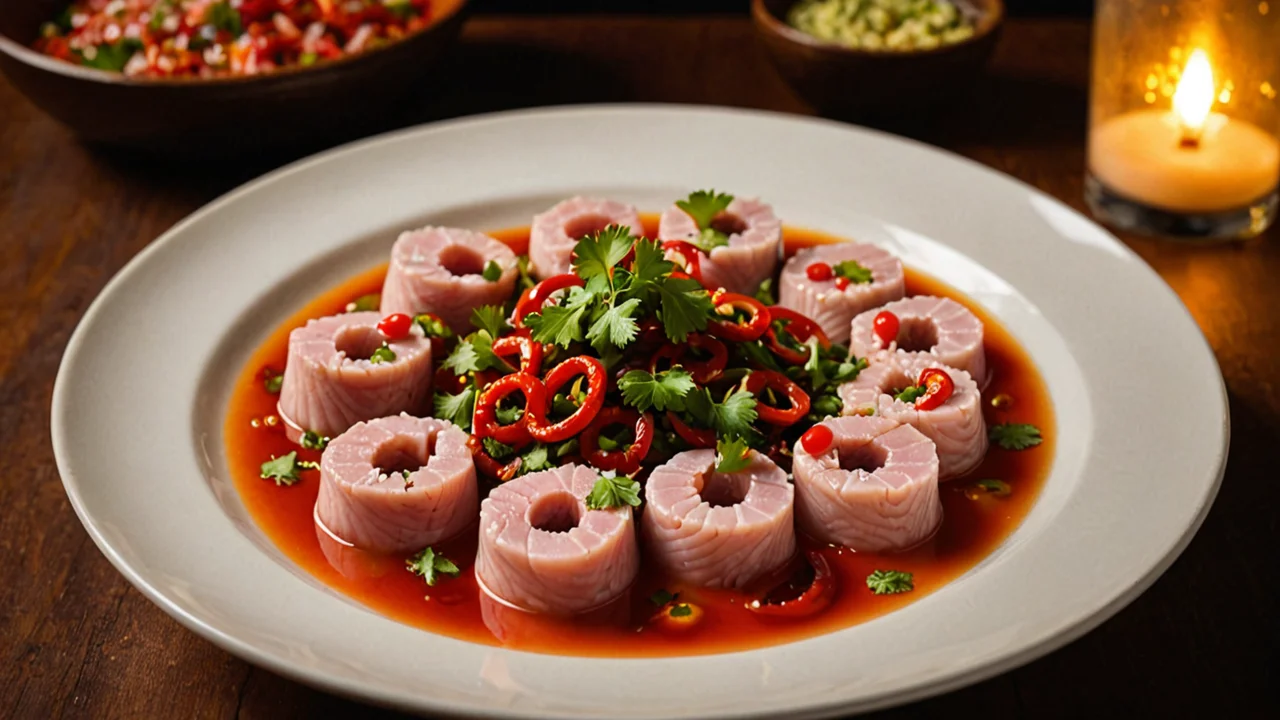
Fish for ceviche has to be frozen first if you are worried about parasites, and the schedules are specific: -4 °F (-20 °C) or below for at least 7 days (168 hours); or -31 °F (-35 °C) until solid and then held at -31 °F (-35 °C) for at least 15 hours; or frozen at -31 °F (-35 °C) until solid and then held at -4 °F (-20 °C) for at least 24 hours. Lime juice does not do this job. The acid denatures the surface protein and changes the texture, which is why the fish looks "cooked," but it does not reliably kill parasites in the interior of the piece.
The practical problem is that a home freezer is usually not cold enough to run the short schedules. The 7-day option at -4 °F is the one most home freezers can approximate, and even that depends on the freezer actually holding that temperature rather than cycling around it. If you don't know what your freezer runs at, treat the longer schedule as the only one available to you and plan a week ahead. That is the real cost of home ceviche: not the fish, but the calendar.
This is also where the choice of fish matters more than the technique. Fish destined for ceviche is best bought fresh and frozen by you, or bought from a supplier who can tell you it was frozen to one of these schedules. "Sushi grade" on a label is a marketing term, not a temperature log. Ask what the freezing schedule was; if nobody can answer, you are making a different dish with a different risk profile.
The limits: these schedules address parasites, not bacterial spoilage or the toxins that form in fish left warm. Freezing does not rescue fish that was mishandled before it reached you. Buy from a source with turnover, keep it cold on the way home, and freeze it the day you buy it.
Masa is the structural decision, and it changes how the protein behaves
Masa is a dough of ground nixtamalized corn — masa harina rehydrated with water or broth — and its fat and moisture content determine whether your filling steams evenly and whether the tamal holds together. Get the masa right and the protein inside is protected; get it wrong and no filling saves the batch.
The texture test is the one to learn: a properly mixed masa spreads easily on the husk without cracking at the edges and holds a soft peak when you press it. Masa that is too dry cracks in the steamer and lets steam straight to the filling, which dries it out. Masa that is too wet turns gluey and dense, and the center of the tamal takes far longer to reach temperature — which is exactly where the 165 °F check earns its keep. Add liquid in small increments, and add fat (lard, or a neutral oil) until the dough feels like soft butter rather than stiff paste.
The arepa is the other masa decision, and it is a different one. An arepa is a round, thick corn cake, typically made from pre-cooked corn flour, shaped and cooked on a griddle or baked, then split and filled or topped. Here the masa is the vessel and the protein is the topping, so the structural question is whether the cake holds together when split. Arepa dough wants to be slightly stiffer than tamal masa; a soft dough gives you a cake that tears when you open it and dumps the filling. Cook it dry on a griddle first to set the crust, then finish it — split it while warm, and fill it immediately.
The trade-off between the two is time and forgiveness. Tamales are a long project with a wide margin for error in the filling but a narrow one in the masa. Arepas are fast and repeatable, and the protein — shredded beef, cheese, beans — is cooked separately and can be any temperature you like by the time it goes in. If you are learning, arepas teach you what good masa feels like at a fraction of the effort.
Building a filling that survives the wrapper
A filling for tamales or arepas should be cooked, seasoned, and moistened before it meets the masa, and it should be a little wetter than you would serve on a plate. The masa and the steam pull moisture out of the filling; a filling that is perfect on its own turns dry inside a tamal.
The sequence that works: cook the protein to its target — 160 °F for ground meat, 165 °F for poultry, 145 °F for a whole cut you intend to slice — then cool it, then combine it with enough braising liquid, sauce, or fat that it holds together when squeezed. Shredded meat should be in strands, not crumbs, so it keeps some bite after steaming. A filling that is too loose will leak into the masa and make a soggy band around the center; a filling that is too tight will be dry at the edges. The middle is a texture you can feel with your hands.
Seasoning has to be heavier than you think, for the same reason. The masa is bland by design, and the filling carries the whole dish. Taste the filling at the moisture level it will actually be wrapped at, not before you add the liquid.
What goes wrong: overfilled tamales that burst at the seam and let water in; underfilled ones that collapse into a flat, dense core; fillings that were hot when wrapped, which steam from the inside and make the masa weep. Cool the filling before assembly. It costs you an hour and saves the batch.
What each choice costs, and when the target is the wrong tool
Temperature targets are a floor, not a recipe. Hitting 165 °F on a chicken tamal tells you it is safe; it does not tell you the masa is set, the seasoning is right, or the texture is what you wanted. Use the number to close the safety question and your senses for everything else.
Here is the decision order that actually matters. First, identify the form of the protein — whole cut, ground, poultry, fish — because that sets the number. Second, decide the destination — steamed inside masa, griddled inside an arepa, or served raw-cured as ceviche — because that sets the technique and, for ceviche, the freezer schedule. Third, build the masa or dough to the texture the destination needs. Fourth, cook to the target and check it with a probe rather than a clock.
| Protein form | Target | Where it bites |
|---|---|---|
| Whole cut of meat | 145 °F (62.8 °C) | Slicing roasts and seared pieces; braises pass it long before they shred |
| Ground meat | 160 °F (71.1 °C) | Picadillo, ground fillings; the surface is now the middle |
| Poultry, whole or ground | 165 °F (73.9 °C) | Chicken and turkey fillings, before and after wrapping |
| Tamal with meat or poultry filling | 165 °F (73.9 °C) | The center of the wrapped tamal, not the filling alone |
| Fish for ceviche | Freezer schedule, not a temperature | -4 °F for 7 days, or the colder shorter schedules |
Where the target is the wrong tool: cheese and vegetable tamales, where the safety question is about the masa and the fillings' own ingredients rather than a meat center; and any dish where the protein is cooked separately and added at the end, like a split arepa, where the number applies to the protein on its own and nothing more. In those cases the guidance is texture and hygiene, not a probe reading.
The cost of taking all of this seriously is time — a week of freezer space for ceviche, a long steam for tamales, a thermometer you have to actually use. The cost of skipping it is the batch you throw out, or worse. Most of the skill in this cooking is in the masa and the moisture, and most of the safety is in four numbers and one freezer schedule. Learn those and the rest is practice.